📖 Songbird Species Guide
🗺️ Select Your Region
🐦 Common Species - Northeast Region
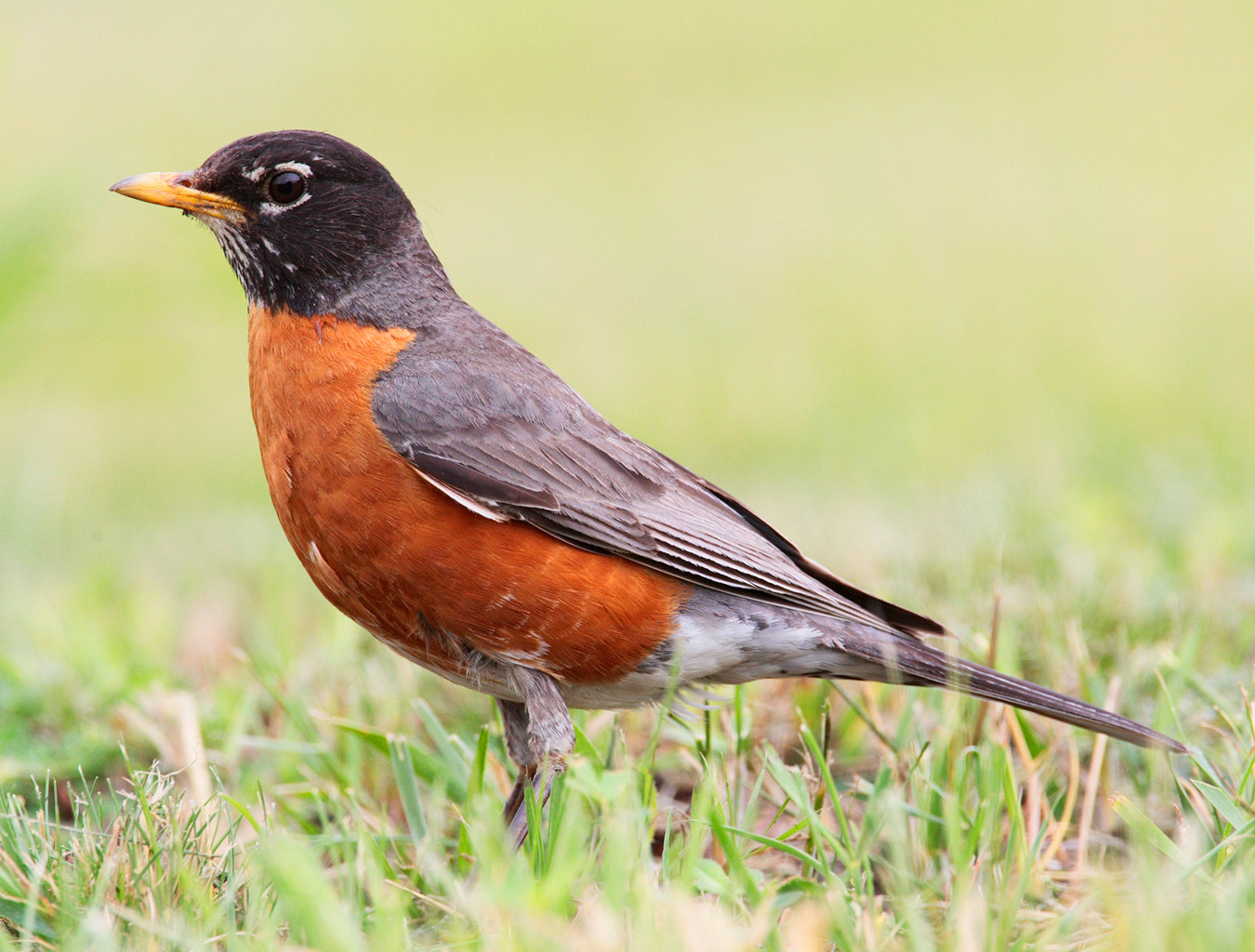
🎯 Identification Tips
- Listen for: "cheerily, cheer-up, cheerio" caroling song
- Look for: Brick-red breast, yellow bill
- Habitat: Lawns, parks, forest edges
- Behavior: Hops on ground, head-cocking when hunting
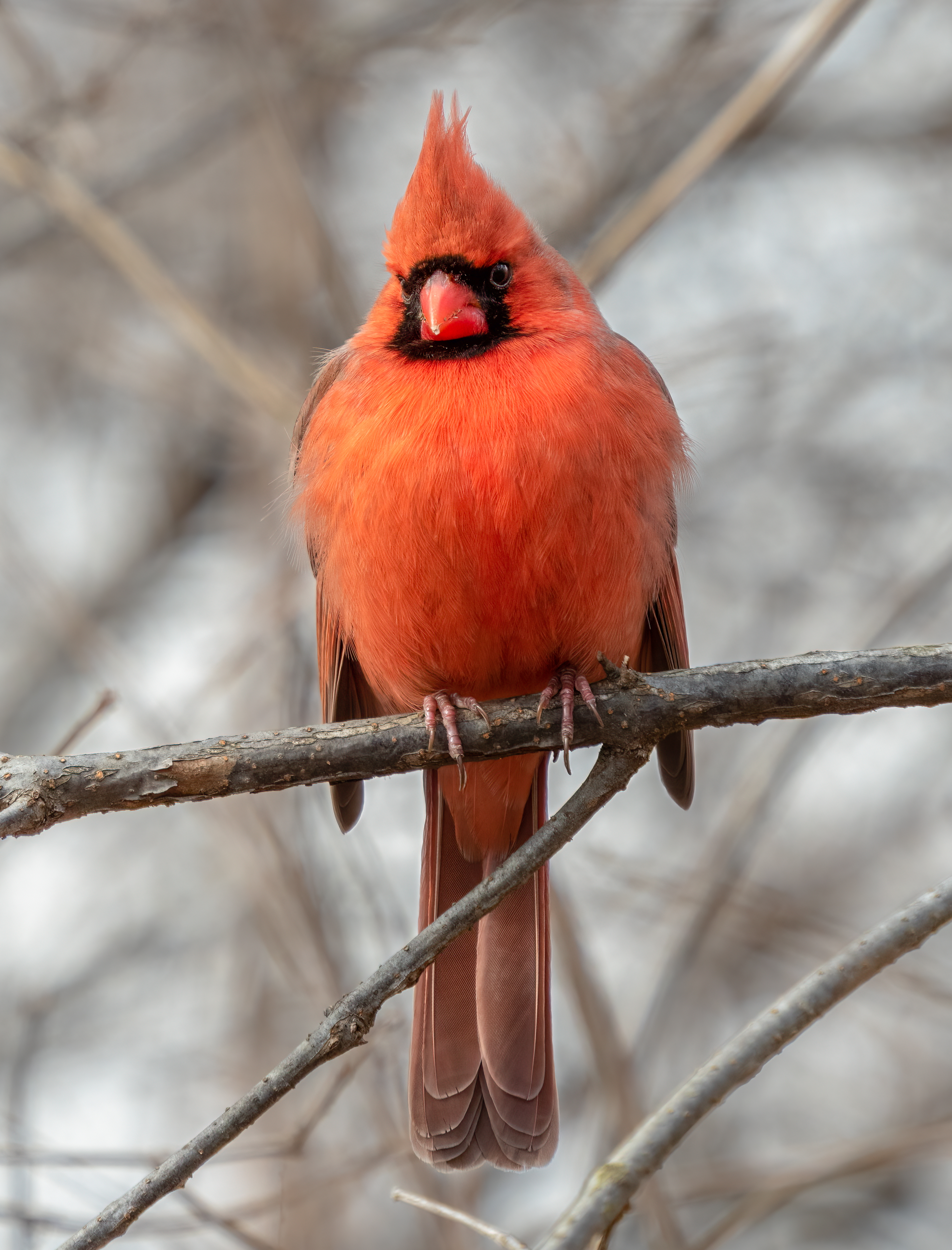
🎯 Identification Tips
- Listen for: Clear "birdy-birdy-birdy" or "what-cheer"
- Look for: Male bright red, female tan with red highlights
- Habitat: Forest edges, backyards, thickets
- Behavior: Perches prominently, visits feeders
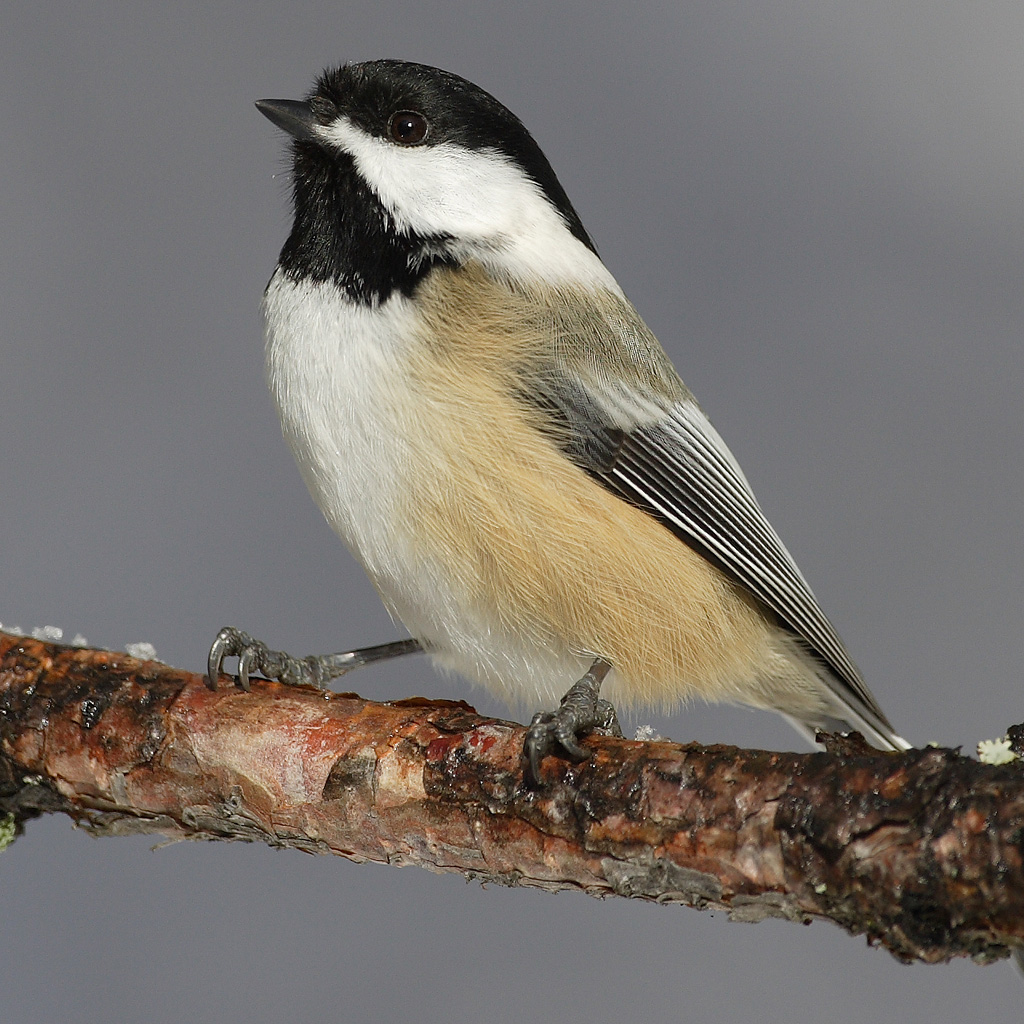
🎯 Identification Tips
- Listen for: "chick-a-dee-dee-dee" call, "fee-bee" song
- Look for: Black cap, white cheeks, gray back
- Habitat: Mixed and deciduous forests
- Behavior: Hangs upside-down, caches food
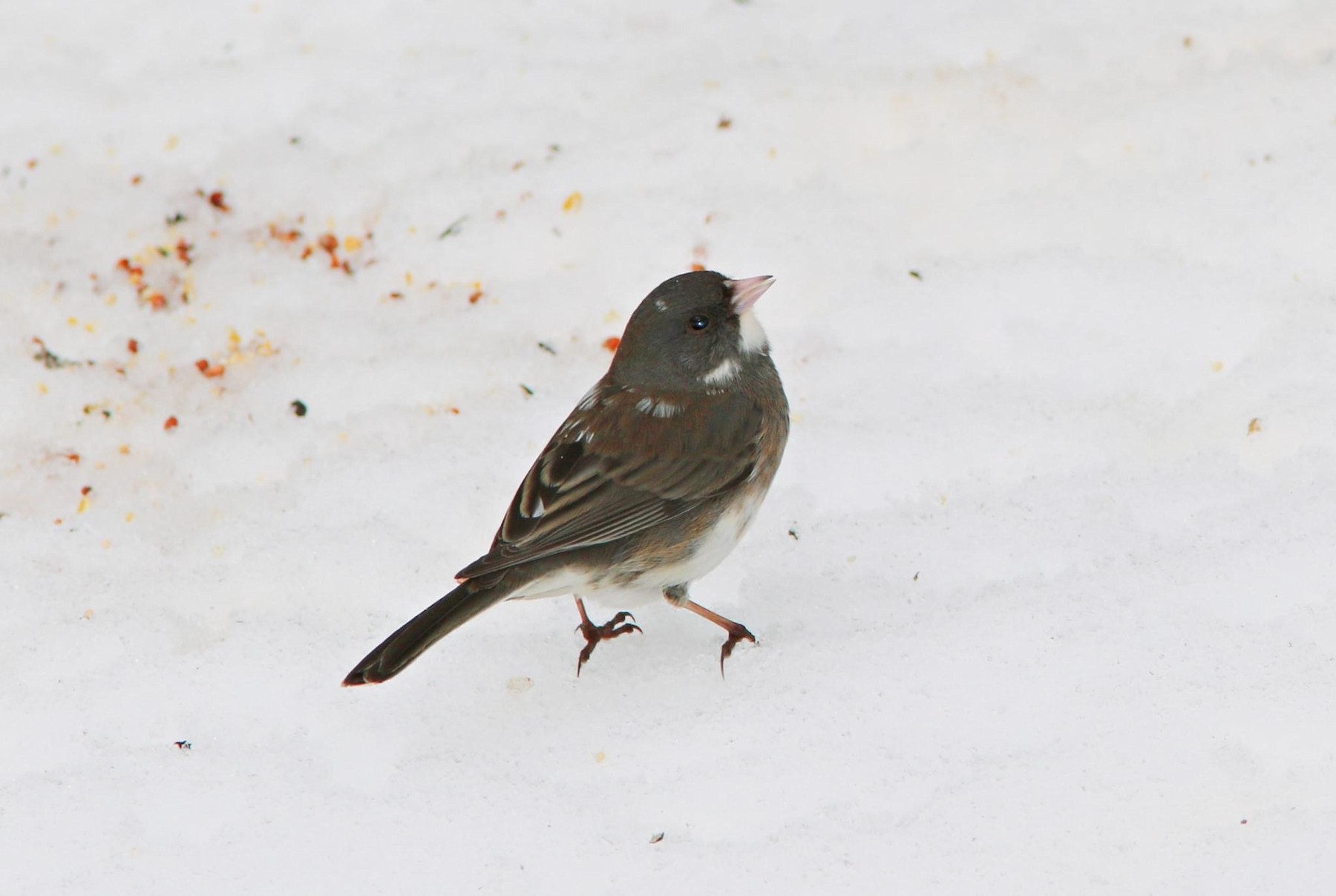
🎯 Identification Tips
- Listen for: Variable song starting with 3 clear notes
- Look for: Heavy streaking, central breast spot
- Habitat: Marshes, thickets, backyards
- Behavior: Pumps tail in flight, ground forager
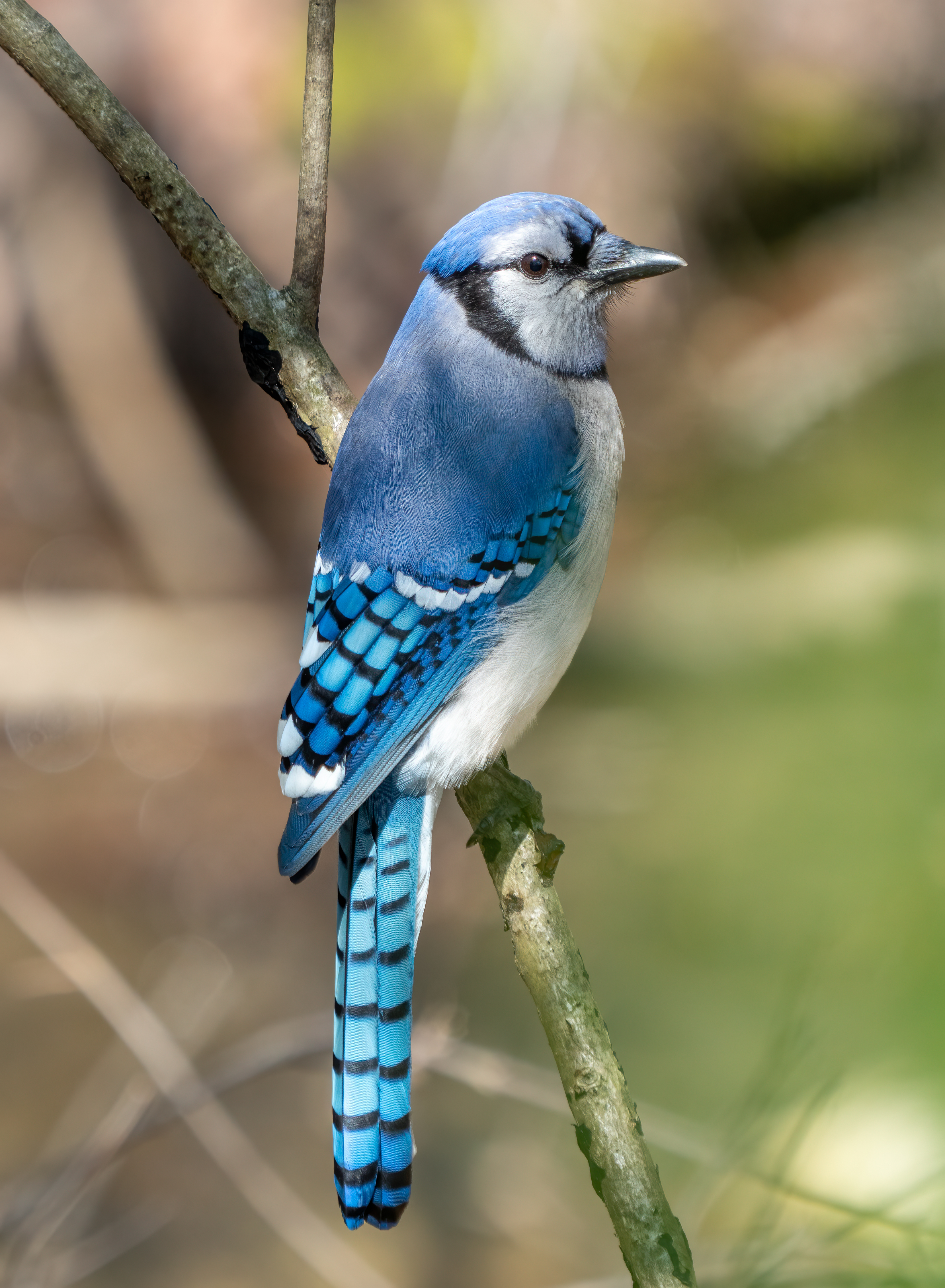
🎯 Identification Tips
- Listen for: Loud "jay-jay" call, also mimics hawks
- Look for: Blue back, white face, black necklace
- Habitat: Oak and beech forests, suburbs
- Behavior: Bold, aggressive at feeders
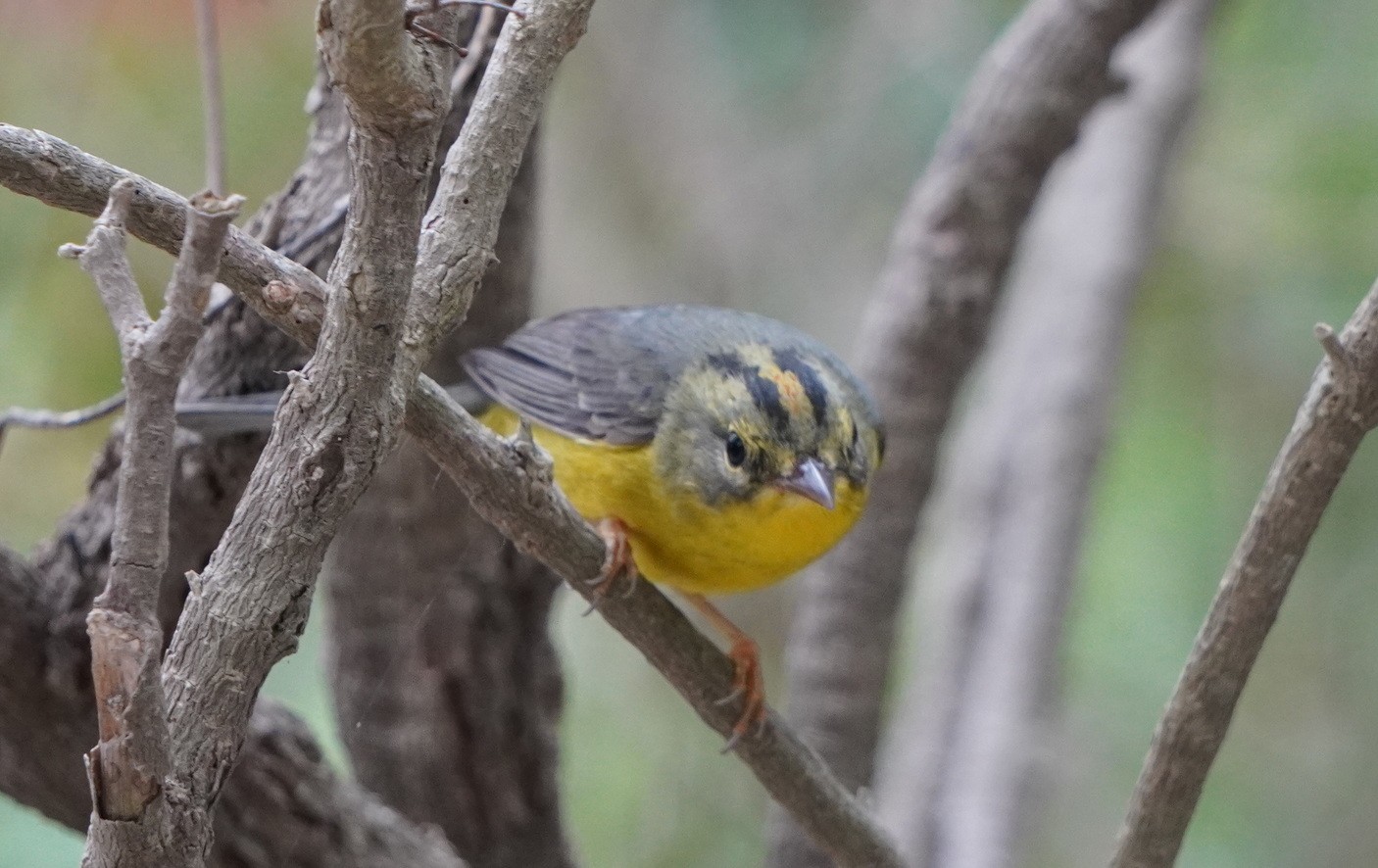
🎯 Identification Tips
- Listen for: Twittering "per-chick-o-ree" in flight
- Look for: Yellow body, black wings with white bars
- Habitat: Fields, meadows, backyards
- Behavior: Undulating flight, loves thistle feeders
💡 Field Identification Tips
Start with GISS
General Impression Size & Shape (GISS) is your first clue. Is it sparrow-sized or robin-sized? Chunky or slender? Long-tailed or short? This narrows possibilities quickly.
Habitat is Key
Many species have strong habitat preferences. A warbler in a marsh is likely different than one in pine forest. Learn which species prefer which habitats in your region.
Behavior Matters
How a bird moves tells you a lot. Does it hop or walk? Pump its tail? Cling to tree trunks? Feed on ground or in canopy? These behaviors are often species-specific.
Field Marks
Focus on key field marks: eyelines, wing bars, tail spots, breast streaking. Don't try to see everything at once—pick one or two distinctive features.
Sound First
Many experienced birders identify 90% of species by sound alone. Birds hidden in foliage are often easier to ID by song than sight, especially warblers.
Use eBird Sightings
Check eBird for recent sightings in your area. If 20 people saw a Scarlet Tanager at your local park yesterday, that's a good possibility today too!
🌿 Conservation Corner
Bird Population Concerns
North America has lost nearly 3 billion birds since 1970—a 29% decline. Songbirds face threats from habitat loss, window collisions, and climate change. But you can help make a difference right in your own backyard!
Backyard Bird Feeders Matter
Providing quality bird feeders with native seeds helps songbirds survive, especially during migration and harsh winters. Keep feeders clean, offer fresh water year-round, and plant native shrubs and trees that provide natural food and shelter.
Join the Conservation Effort
Organizations like the Audubon Society work to protect birds and their habitats through science, advocacy, and education. Participate in citizen science projects like the Christmas Bird Count or eBird to contribute valuable data that helps researchers track bird populations.
Simple Ways You Can Help
Keep cats indoors, make windows visible to birds with decals or screens, reduce pesticide use, and leave dead trees standing (when safe) for cavity-nesting birds. Every small action adds up to create safer habitats for our feathered friends.
🎨 Fun Facts for Kids!
Amazing Song Learners
Some songbirds can learn over 200 different songs! Birds like the Brown Thrasher and Mockingbird are incredible mimics, copying sounds from other birds, frogs, and even car alarms. They practice their songs just like you practice an instrument!
Superpower Vision
Birds can see colors that humans can't even imagine! They can see ultraviolet (UV) light, which helps them find food, choose mates, and navigate. To a bird, the world looks like it's painted with invisible colors we'll never see!
Tiny Racing Hearts
A hummingbird's heart beats an incredible 1,200 times per minute while flying—that's 20 times every second! In comparison, your heart beats only about 60-100 times per minute. This super-fast heartbeat gives hummingbirds the energy to hover in mid-air.
Nature's GPS System
Some birds can navigate using Earth's magnetic field like a built-in compass! They have special cells in their eyes and beaks that detect magnetic forces, helping them migrate thousands of miles and find their way home every year.
Helpful Garden Helpers
Songbirds are nature's gardeners! They spread seeds from the fruits and berries they eat, helping plants grow in new places. They also eat tons of insects—a single chickadee can eat 500 insects in one day, protecting your garden naturally!
Become a Bird Photographer
Grab binoculars, a camera, or even a smartphone and start your birdwatching adventure! Early morning is the best time to see and photograph songbirds. Keep a journal of the species you spot and share your photos with family and friends!